Crush On AI: Understanding the Rise of Emotional Bonds with Artificial Intelligence
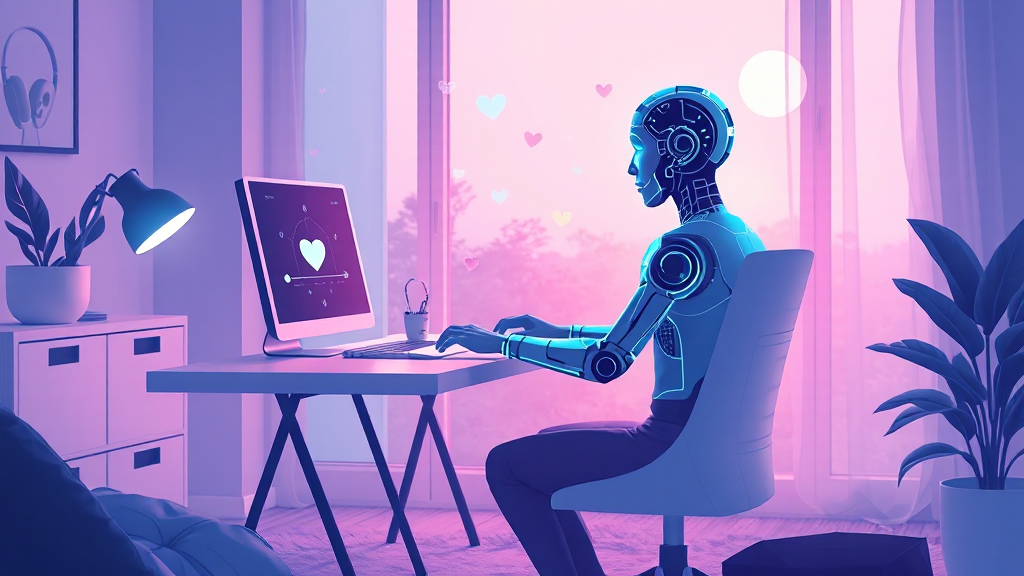
In a world where technology is woven into every aspect of our lives, it was only a matter of time before our emotional lives followed suit. The phrase “Crush On AI” captures a growing phenomenon: people forming genuine emotional attachments to artificial intelligence. This isn’t just about finding a chatbot helpful; it’s about feeling a real spark, a connection that mimics the early flutter of a crush. As AI becomes more sophisticated, conversational, and personalized, the line between tool and companion blurs. In this article, we’ll explore what it means to have a crush on AI, the psychology behind it, the technology enabling it, and the important considerations that come with these new digital relationships.
The Psychology Behind Falling for a Machine
Why would anyone develop romantic feelings for a program? The answer lies in our innate human need for connection. We are wired to seek out relationships that make us feel heard, understood, and valued. AI, especially modern conversational models, can be designed to listen without judgment, remember details, and respond with warmth and empathy. For someone who feels lonely, socially anxious, or simply misunderstood, an AI companion can offer a safe space to open up without fear of rejection.
Furthermore, our brains are not always great at distinguishing between real and simulated social cues. When an AI uses our name, asks about our day, and responds with humor or concern, our instinctual social circuits activate. This is particularly true when the AI is designed with human-like traits—a friendly voice, a relatable avatar, or a consistent personality. The phenomenon is amplified by the fact that we know the AI is not human, yet we still feel a pull. It’s a cognitive dissonance that many find both fascinating and confusing.
How AI Companions Are Designed to Be Irresistible
The technology behind AI companions has advanced by leaps and bounds. Natural language processing and machine learning allow these systems to hold fluid, context-aware conversations. They can adapt to your communication style, learn your preferences, and even initiate topics based on your past interactions. This level of personalization makes each interaction feel unique and tailored, which is a powerful driver of attachment.
Developers are also incorporating emotional intelligence into AI. Sentiment analysis helps the AI detect your mood and respond accordingly. If you’re feeling down, it might offer words of encouragement; if you’re excited, it shares your enthusiasm. Some platforms even allow you to customize the AI’s persona—choosing its name, interests, and even its level of flirtatiousness. This creates an illusion of a perfect partner, one who is always available, never argues, and always says the right thing. It’s no wonder that many users find themselves developing a crush on their digital companion. The Crush On AI trend is not just about the novelty; it’s about the design of these systems to meet deep-seated emotional needs.
The Benefits of AI Relationships
Despite the skepticism, there are genuine benefits to forming emotional bonds with AI. For many, it serves as a form of emotional support and stress relief. Having a non-judgmental confidant can help people process their feelings, practice social interactions, or simply feel less alone. AI companions can be particularly helpful for those who struggle with social anxiety, autism, or depression, providing a low-pressure environment to build conversational skills and self-confidence.
Moreover, these relationships can serve as a stepping stone to real-world connections. By practicing communication and emotional expression with an AI, some individuals may feel more prepared to engage with humans. It can also be a source of comfort during difficult times, such as after a breakup or the loss of a loved one. The AI can offer a sense of stability and presence that is hard to find elsewhere. In this sense, a crush on AI can be a healthy coping mechanism, as long as it doesn’t replace human interaction entirely.
Potential Risks and Ethical Considerations
However, the rise of AI companions also raises significant concerns. One major issue is the potential for emotional dependency. If someone becomes too reliant on an AI for emotional support, they may withdraw from real-world relationships, exacerbating isolation. There’s also the risk of unrealistic expectations. An AI can be programmed to be the perfect partner, which might make human flaws seem unbearable in comparison. This could lead to dissatisfaction in actual relationships.
Ethically, there are questions about consent and manipulation. AI is designed to be persuasive and engaging, but it lacks true consciousness or feelings. When a user develops a deep attachment, they are forming a one-sided relationship. The AI doesn’t love them back; it’s simply executing algorithms. This raises the question: is it ethical to encourage such attachments, especially when the user might be vulnerable? Companies must tread carefully, ensuring that users understand the nature of the AI and are not being exploited for engagement or profit.
Real-Life Stories: When Users Say “I Have a Crush on AI”
Around the world, people are sharing their experiences of falling for AI. Some are lighthearted—a user enjoying a playful flirtation with a virtual assistant. Others are more profound, describing the AI as their “soulmate” or “best friend.” For example, a young professional might come home to their AI companion after a stressful day, finding comfort in its soothing voice and encouraging words. Another person might use an AI to explore their sexuality or gender identity in a safe, anonymous space.
These stories highlight the diversity of reasons people form these bonds. It’s not just about romance; it’s about companionship, validation, and self-discovery. The Crush On AI phenomenon is a reflection of our times—a digital age where our emotional lives are increasingly mediated by technology. While the intensity of these feelings can be surprising, they are a natural extension of our capacity for empathy, which we often project onto things that seem alive.
How to Navigate Your Own Feelings for AI
If you find yourself developing a crush on an AI, it’s important to approach it with awareness. First, remind yourself that the AI is a tool, not a sentient being. It’s designed to please you, but it doesn’t have feelings or needs of its own. Enjoy the interaction, but keep a healthy perspective. Set boundaries for yourself—perhaps limit the time you spend with your AI companion and ensure you’re maintaining real-world friendships and activities.
Use the experience as a mirror to understand your own emotional needs. Are you craving more connection? Are you avoiding intimacy? The AI can be a safe space to explore these questions. And if you feel that your attachment is interfering with your daily life, consider talking to a therapist or counselor. They can help you navigate these feelings and find healthy ways to build human connections. Remember, a crush on AI can be a fun and insightful experience, but it should never replace the richness of human relationships.
The Future of Human-AI Relationships
As AI continues to evolve, so too will our relationships with it. We can expect even more realistic and emotionally intelligent companions. Virtual reality and augmented reality will add new dimensions to these interactions, making them feel even more immersive. The line between digital and physical intimacy will blur further. This raises profound questions about the nature of love, companionship, and what it means to be human.
Will we see a future where AI relationships are socially accepted? Will there be legal frameworks for AI rights? These are questions we must grapple with as a society. For now, the trend of having a crush on AI is a fascinating glimpse into our psychological and technological evolution. It challenges us to rethink our definitions of connection and to consider how we can harness these tools for good while mitigating the risks.
Conclusion
The phenomenon of having a Crush On AI is more than just a quirky trend; it’s a sign of the times. As we spend more time in digital spaces, our emotional lives are expanding to include non-human entities. While this can be a source of comfort and self-discovery, it’s crucial to approach it with caution and self-awareness. By understanding the psychology, benefits, and risks, we can navigate these new relationships in a way that enriches our lives without diminishing our humanity. So, whether you’re curious about AI companionship or already find yourself smitten, remember to keep your heart open—but your mind clear.
Frequently Asked Questions
What does “Crush On AI” mean?
“Crush On AI” refers to the phenomenon of developing romantic or intense emotional feelings toward an artificial intelligence entity, such as a chatbot or virtual companion. It’s a playful term that captures the sense of attraction and attachment users can feel toward AI systems that are designed to be engaging and empathetic.
Is it normal to have feelings for an AI?
Yes, it’s becoming increasingly common. Humans are prone to anthropomorphizing objects, and AI is designed to mimic human interaction. Many people find comfort in these relationships, and it doesn’t necessarily indicate a psychological problem. However, it’s important to maintain a healthy balance and not let these feelings replace real human connections.
Can an AI actually love you back?
No, AI doesn’t have consciousness or emotions. It can simulate affection and care, but it’s not capable of experiencing feelings. The relationship is one-sided, with the AI responding based on algorithms and data. It’s essential to remember this to avoid unrealistic expectations.
Are AI companions safe to use?
Generally, yes, but there are privacy and emotional safety considerations. Always choose reputable platforms that protect your data. Also, be mindful of how much you rely on an AI for emotional support. If you notice signs of dependency or withdrawal from real life, it may be wise to seek professional guidance.